


I’ve been writing or editing stories about addiction for the better part of the last decade.
While the heroin and opiate epidemic have been the source of countless news stories over the last couple of years, our newspaper, with its proximity to Camden, has been covering the issue a lot longer than a lot of others.
So, at the risk of sounding flip about a subject that deserves the utmost seriousness, it’s sometimes difficult to come up with new ways to write about addiction. And I’m especially careful about staying away from “addiction porn,” writing sensational stories about people who are suffering the effects of a devastating disease–and in most cases, taking their families along for the hellacious ride.
Last week, Camden County officials filed suit against a handful of pharmaceutical companies and retailers for what they called deceptive marketing and a conspiracy to keep people using prescription painkillers–practices that led many to heroin when those painkillers became too expensive or difficult to procure.
I needed to come up with a way to provide context for the suit without overloading readers with statistics (which, because of the scattered nature of the way drug overdoses and deaths are reported, are shockingly hard to come by).
In the reporting I’ve done thus far, I’ve found that there are few people who haven’t been personally affected by opiate or heroin addiction. I knew, in fact, that some of the county officials had to have some stories of their own loved ones’ struggles. The trick, of course, was getting them to speak publicly about a very painful and personal subject.
Many of them belong to the Camden County Addiction Awareness Task Force, whose main missions are reducing the stigma and advancing the idea that addiction is a disease rather than some failure of willpower. They speak often about the need for openness and compassion.
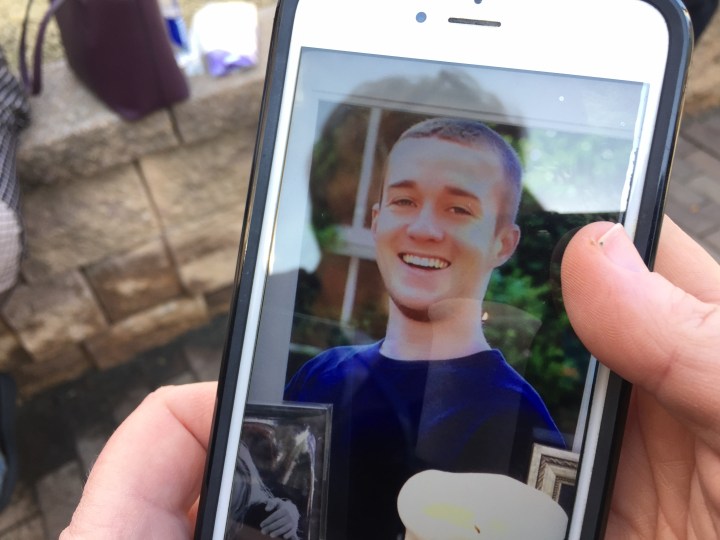
Getting ordinary people to talk about addiction is hard enough. Getting people who are already in the public eye to do so is even harder.
I’m grateful some of them did. It’s important to protect a loved one’s privacy, of course, but being a public servant also means taking the lead to get these stories out in the open, to show that anyone, from any background, with any kind of family, can fall into addiction.
These aren’t broken families. And those who’ve struggled with addiction are not broken people.
 by Phaedra